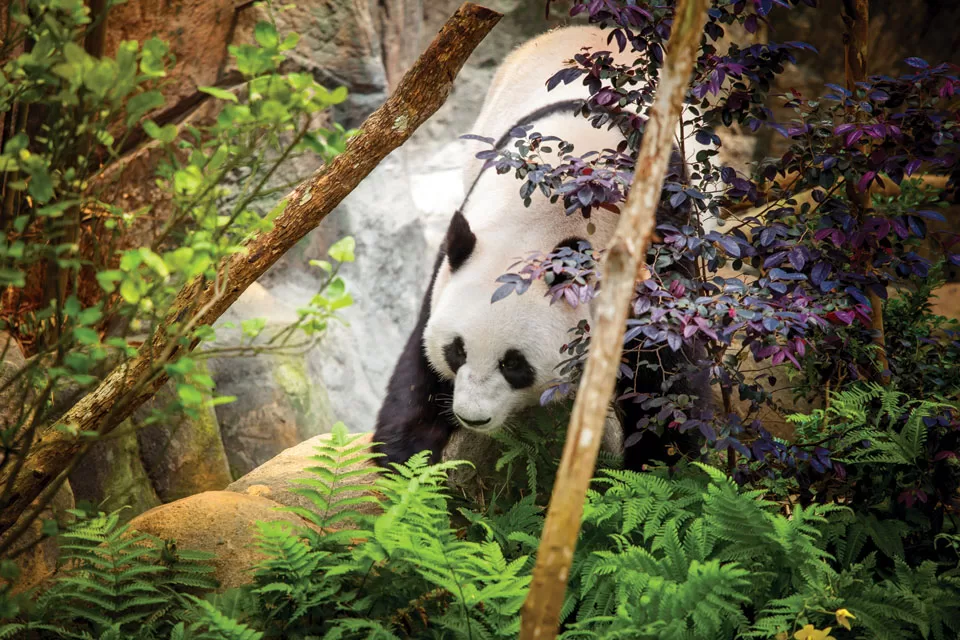
The number of animals in the wild around the world is set to fall by two-thirds by 2020, according to a new report, part of the mass extinction that is destroying the world upon which humanity depends. This same report documented that animal populations dropped by 73% between 1970 and 2020. The report was conducted by WWF and the Zoological Society of London from scientific data.
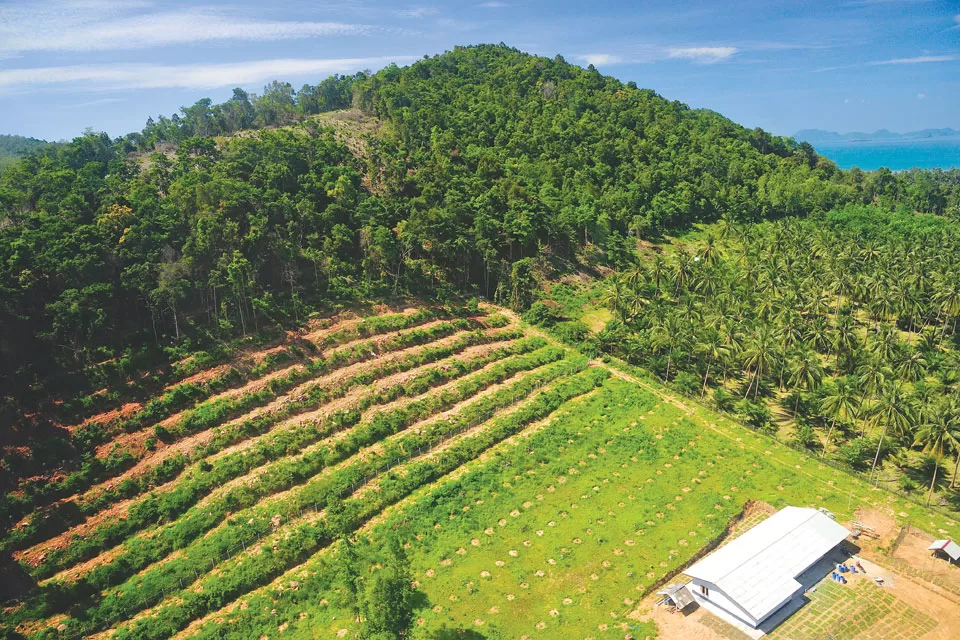
If this fact does not startle you, it should. There is so much that needs to be done to preserve our animal population and the environments they thrive in. The biggest cause of these alarming numbers is the destruction of wild areas for farming, logging, and other human uses that destroys the animals’ natural habitats. The study reports that agriculture and overuse of the land poses a greater threat to wildlife than climate change. It is estimated that only 15% of the earth is protected for nature. Other causes include poaching and exploitation for food due to unsustainable fishing and hunting. It is predicted that more than 300 mammal species are being eaten into extinction.
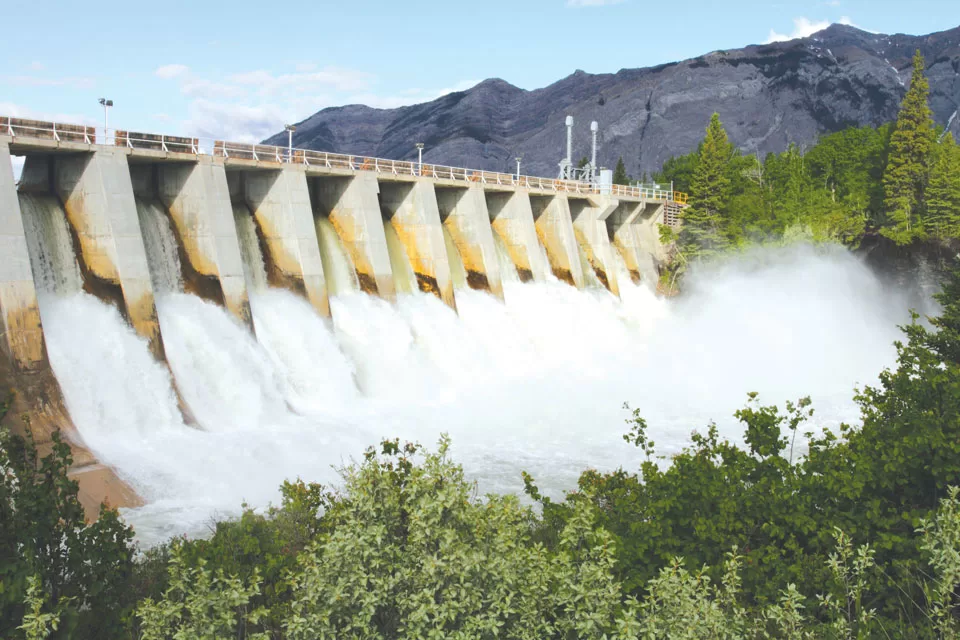
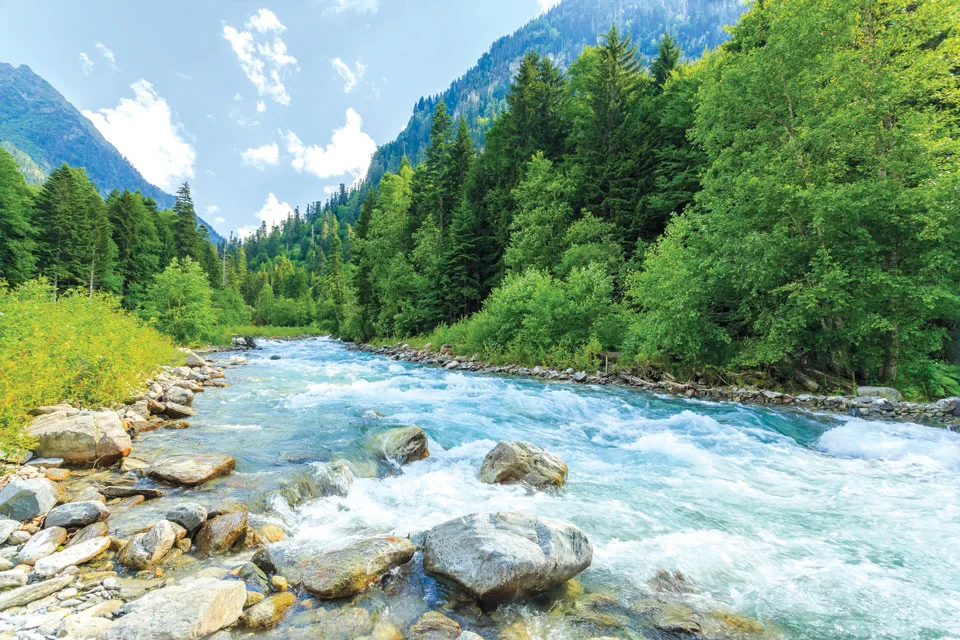
Rivers and lakes are the hardest hit, with animal populations down by 81% due to excessive water extraction, pollution and dams. And this is magnified by global warming as it changes the ranges in which animals can live.
The study also proves pollution is another factor in this drastic change in our animal population. A few examples are both the killer whales and dolphins in European seas that are being harmed by industrial pollutants. Vultures in Southeast Asia have been decimated after eating carcasses of cattle dosed with anti-inflammatory drugs. Disease is spread by world trade of various animals, and human disease can also spread to the animal population.
The creatures losing homes in mountains, forests, rivers and the seas include many endangered species such as elephants and gorillas to name a few. In this issue, we highlight the endangered Chimpanzees.
Director General of WWF, Marco Lambertini, said “The richness and diversity of life on earth is fundamental to the complex life systems that underpin it. Life supports life itself and we are part of the same equation. Lose biodiversity and the natural world and the life support systems, as we know them today, will collapse.”
The human race is completely dependent on nature for clean air and water, food and materials.
Some species are starting to recover and with swift action could begin to change the trend. The good news is that research has seen an improvement in the tiger population, and the giant panda has recently been removed from the endangered list.
As humans, we must be aware of what is going on with the earth and we need to be responsible for our own actions and contribute to the various organizations that are protecting all of us. This can be done by financial contributions, education and awareness, volunteering and being responsible individuals with our decisions. Contributing can be done in small ways as many organizations like WWF have adoptable animals, stuffed animals, clothing and other items that raise awareness and funds to assist them in their efforts of protecting environments and keeping the wild animal population alive and not extinct.
It is our world and we must protect it.