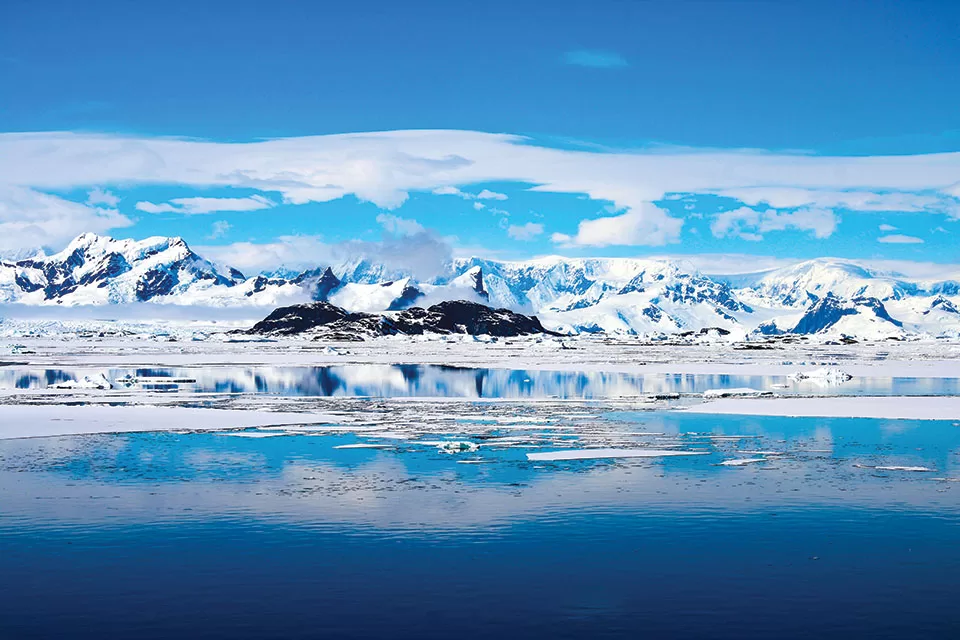
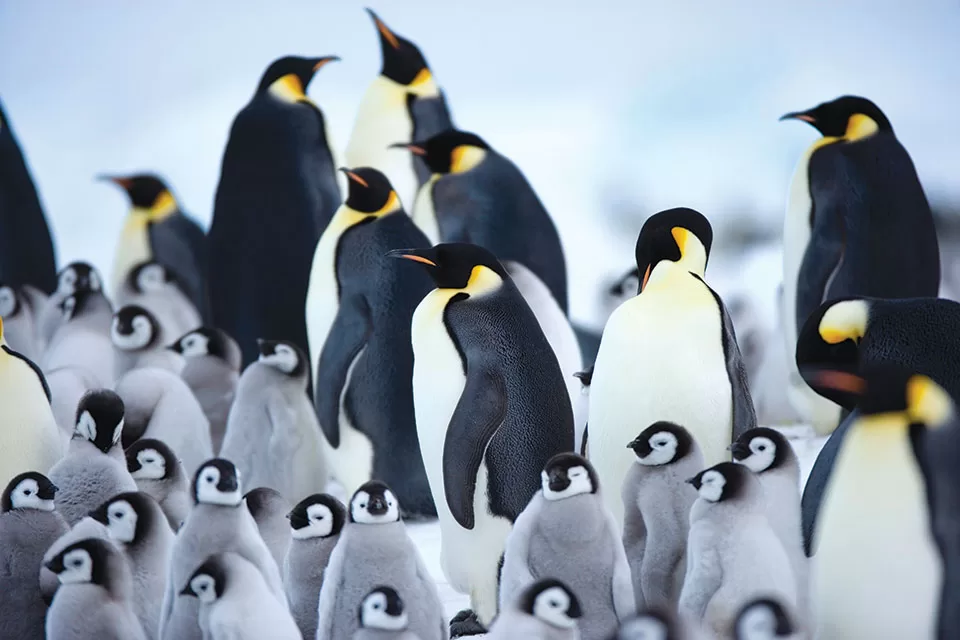
As of April 2026, half of the world’s 18 penguin species are considered threatened with extinction, being listed as either Endangered or Vulnerable on the IUCN Red List. Most notably, the Emperor penguin was recently moved from “Near Threatened” to Endangered due to catastrophic sea-ice loss in Antarctica.
Emperor penguins and several other species are facing severe population declines due to climate change, specifically the rapid loss of Antarctic sea ice, leading to their classification as Endangered. Over 13 of the 18 penguin species are in decline, with risks including starvation, habitat destruction, and disrupted breeding cycles.
Some emperor penguins may be the only birds never to set foot on land, with a unique life on and around ice.
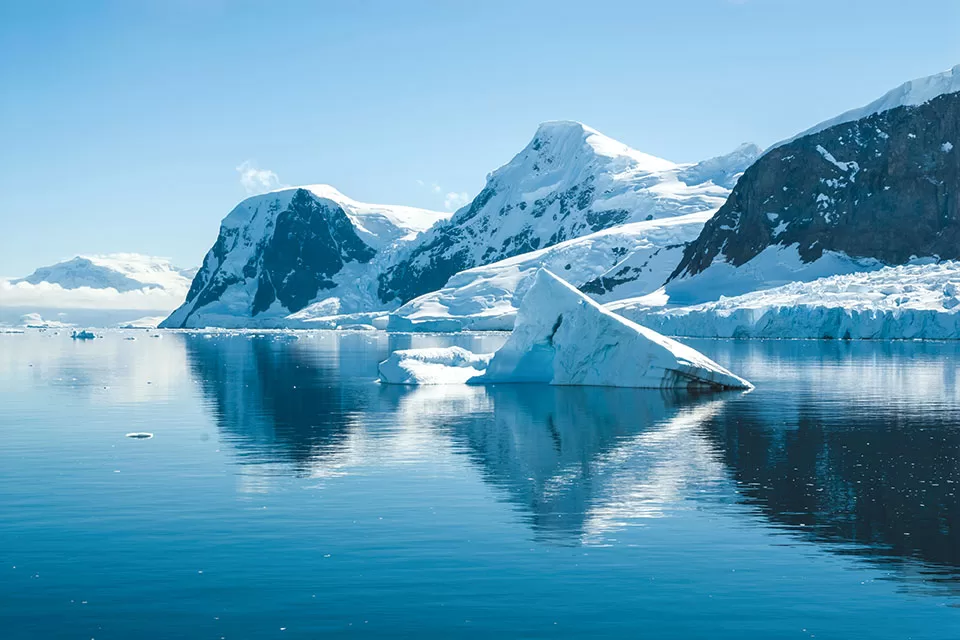
Sea ice – frozen sea water – is vitally important to the penguins’ way of life and their role as predators maintaining balance in the Southern Ocean food web. From providing an important habitat for prey species such as krill, to offering important resting platforms between dives, they rely on Antarctic fast ice – floating sea ice attached to land, ice shelf or the seabed – to breed, raise their young and moult, replacing their waterproof and insulating feathers each year.
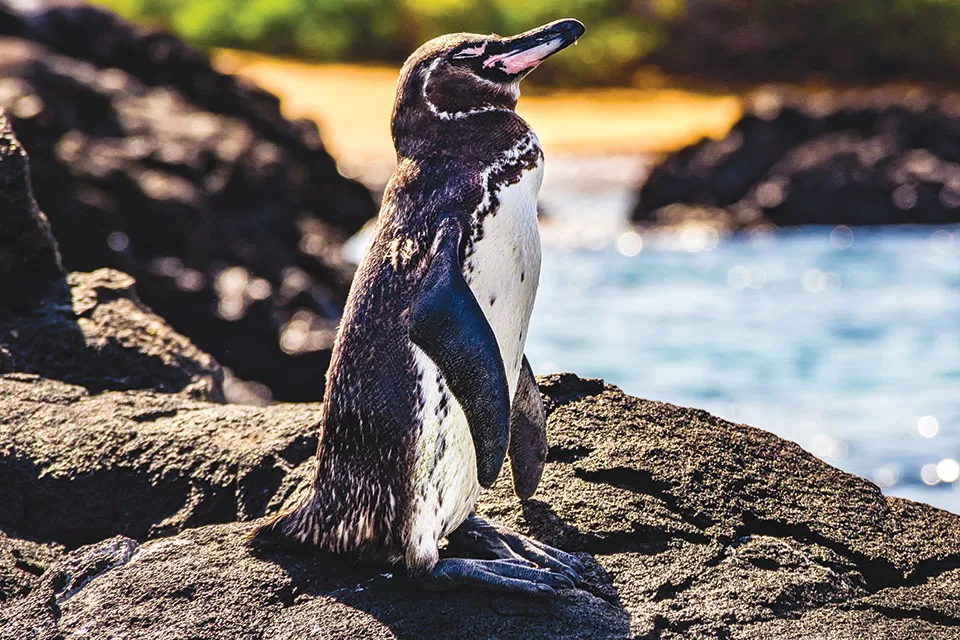
Key Endangered Penguin Species
include all of the penguins listed below:
The Main Reasons for Decline include:
Climate Change & Habitat Loss: Melting sea ice destroys breeding, molting, and feeding grounds, particularly for Emperor penguins.
Overfishing: Reduced fish availability due to commercial fishing and climate change, especially impacting the African penguin.
Human Disturbance & Pollution: Coastal development, oil spills, and guano mining destroy nesting sites.
Disease & Predation: Changes in ocean temperatures have led to increased disease outbreaks, such as those affecting the southern elephant seal and potentially penguins.