
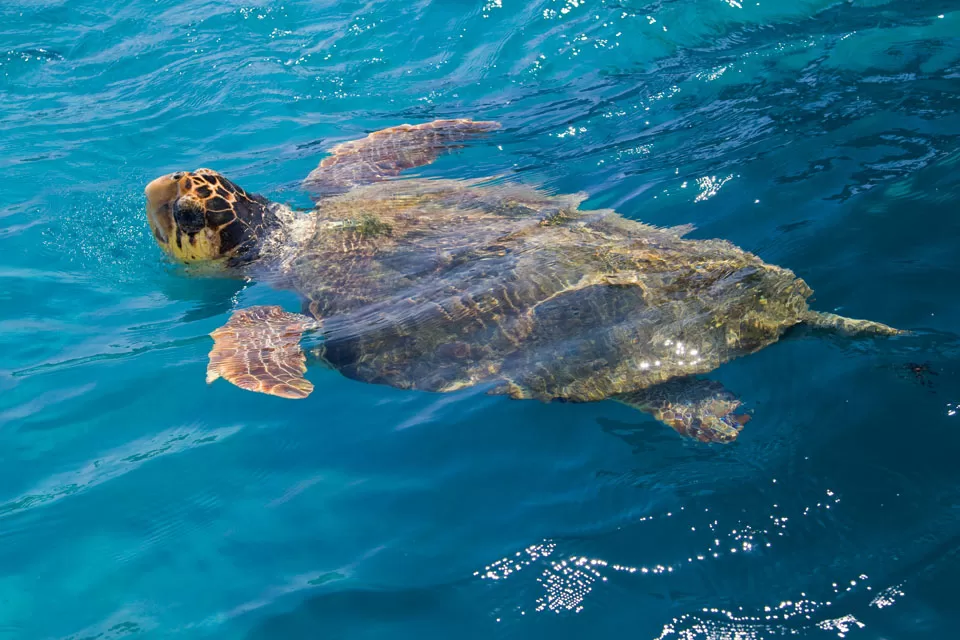
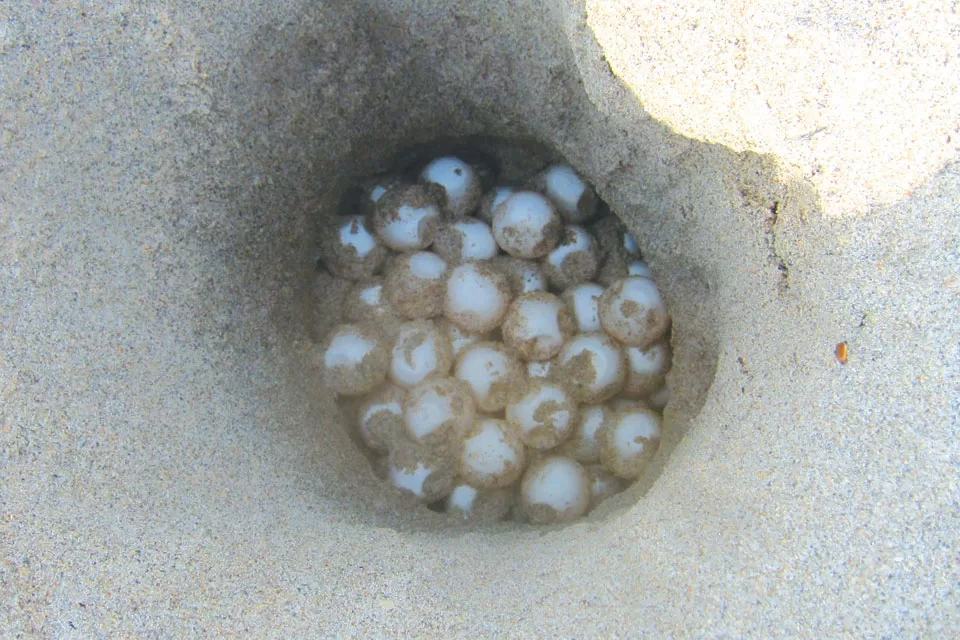
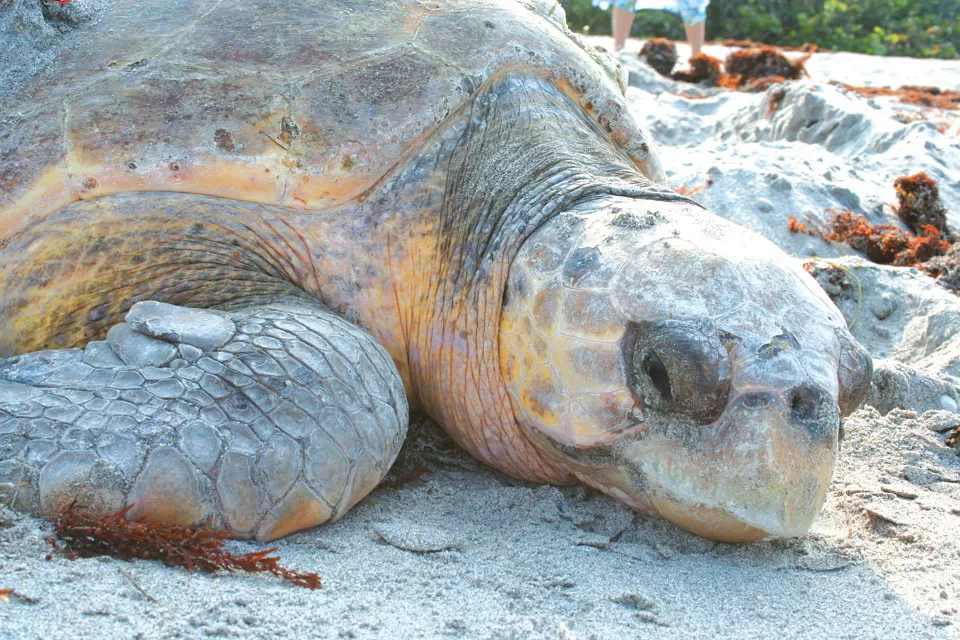
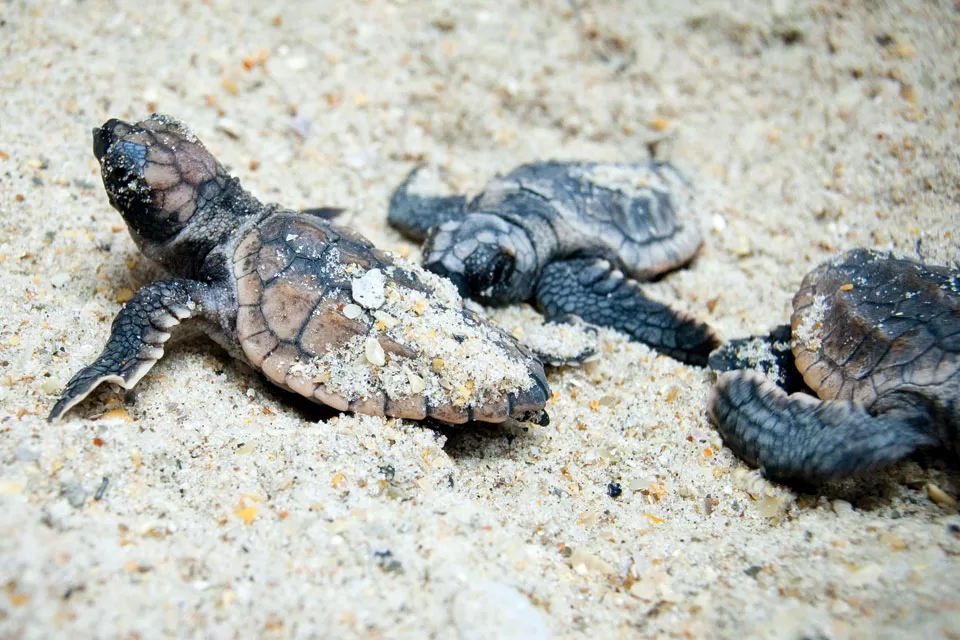
Florida plays an important role in protecting the endangered sea turtles as 90% of sea turtle nesting in the United States occurs in Florida. It is why it is important to keep the beaches clean, be aware and respect the turtle nesting areas, and to reduce artificial lighting near beaches that confuses the mothers and hatchlings. Sea turtles use the moonlight to find the beach where they lay about 100 golf ball size eggs with sand, and they spread the sand over a wide area to obscure the location. They then leave the nest and reenter the water. They do not nurture their hatchlings. The eggs hatch in 8 to 10 weeks. A female turtle may nest twice during the season. When a sea turtle cannot find a suitable nest site or are disturbed, it is called a “false crawl” and results in emergencies where sea turtle experts have to assist in protecting the hatchlings and is a critical role.
Sea turtles are ancient creatures that have been around for over 110 million years. Sea turtles can live up to 80 years in the wild. The male and female turtle are about the same size and the main way to determine the male turtle is that they have a longer tail. Male sea turtles never leave the ocean. Female sea turtles only leave the ocean during nesting season, which is March through October each year. When grown, sea turtles range from 80 pounds to up to 2,000 pounds, depending the type of sea turtle.
There are seven different species of sea turtles that live around the world and each species is considered threatened or endangered. Five of these species call Florida waters home. The loggerhead sea turtle, the green sea turtle, and the leatherback sea turtle nest annually on South Florida beaches. In fact, the beaches from the Space Coast to the Gold Coast represent the most important nesting area in the world for loggerhead sea turtles.

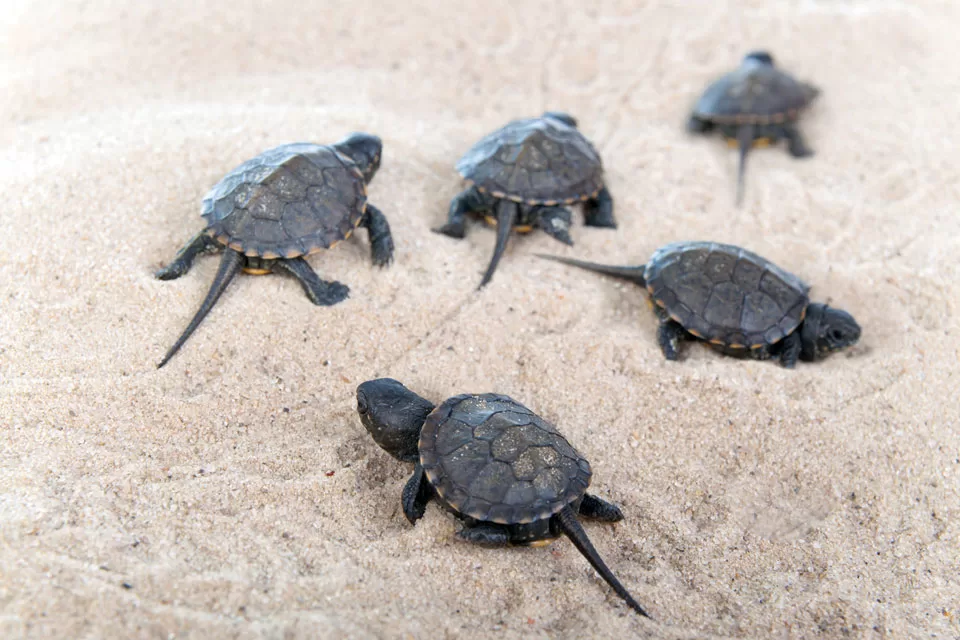
They are known to travel long distances from their feeding grounds to their nesting grounds. Some sea turtles only consume meats such as crabs, snails, jellyfish, sponges, mollusks and shrimp. Several species are plant-based and several species switch over from a meat diet to a plant diet when they mature.
Sea turtle populations have been seriously reduced world-wide through a number of human influences including: artificial lighting, plastic and marine debris, beach erosion, commercial fishing, illegal sea turtle shell trade, oil spills, marine pollution, beach activities and climate change.
It is against the law to touch or disturb nesting sea turtles or nests, and hatchlings are protected by both the Federal Endangered Species Act and the Florida Marine Protection Act. Violators could potentially face fines and jail time. Observe nesting females from a distance and don’t block her return to the ocean.
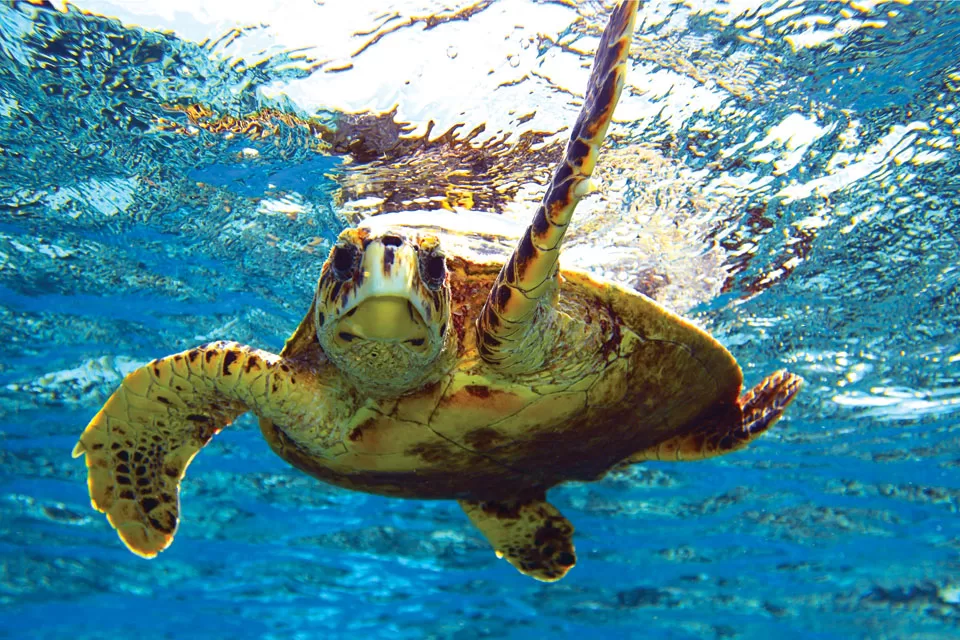
Report all stranded, dead, injured, or sick turtles to the sea turtle emergency line. Report all turtles that have not moved for 30 minutes or longer. Never handle hatchling sea turtles. FWC’s Fish and Wildlife Research Institute has a 24-hour Wildlife Alert Number at 1-888-404-3922.
Other ways to help protect the sea turtles are to support the Florida License Plate program. The Helping Sea Turtles Survive specialty license plate was passed by the Florida legislature in 1997. The turtle specialty license plate costs $23.00 above the normal Florida license plate fee. Seventy percent of the proceeds support the Florida Marine Turtle Protection Program. The remaining thirty percent is routed through the nonprofit Sea Turtle Conservancy, which distributes the funding through the Sea Turtle Grants Program.
You can also visit these not-for-profit organizations and get involved in protecting these precious sea turtles.
National Save the Sea Turtle Foundation
4419 W Tradewinds Ave
(954) 351-9333
Sea Turtle Preservation Society
111 S Miramar Ave
(321) 676-1701
Beaches Sea Turtle Patrol Inc.
(904) 613-6081
Walks & Hatchling Release Locations
Hatching Release Season: July – October
Advanced Registration & Tickets Required
Turtle Walks – Reservations Required
Boca Raton:
Gumbo Limbo Nature Center – Hatchling Releases
Reservations Required
1801 N. Ocean Blvd. • 561-338-1473
www.gumbolimbo.org
Fort Lauderdale:
Museum of Discovery and Science
401 SW Second Place • 954-713-0930
www.mods.org
Dania Beach:
Dr. Von D. Mizell-Eula Johnson State Park
6503 N. Ocean Drive • 954-923-2833
Walks are 9 p.m.
Wednesdays and Fridays.
www.floridastateparks.org/mizell
Fort Lauderdale:
Museum of Discovery and Science
401 SW Second Place • 954-713-0930
www.mods.org
Hollywood:
Anne Kolb Nature Center at West Lake Park
751 Sheridan Street • 954-926-2480
Walks are 8-10 p.m.
Wednesday and Friday nights.
www.broward.org/Parks
Key Biscayne:
Crandon Park Visitors & Nature Center
6767 Crandon Blvd. • 305-361-6767 ext. 112
Walks are 8:30 p.m.
Fridays and Saturdays.
crandonpark.wordpress.com/visit-the-park/